At Gentle Dental Clinic, we understand that the thought of a root canal may cause concern. However, with modern dentistry and advanced techniques, this procedure is now painless, efficient, and highly effective. A root canal treatment is designed to remove inflamed or infected pulp from inside a tooth, preventing further damage and preserving your natural smile. Our expert dental team ensures a comfortable and stress-free experience, helping you maintain optimal oral health. Keep reading to learn more about root canals, their benefits, and what to expect before, during, and after treatment.
A root canal is a restorative dental procedure that removes damaged, inflamed, or infected pulp from within a tooth. The infected area is then cleaned, disinfected, filled, and sealed to prevent further complications. The pulp is a soft tissue containing nerves and blood vessels, but once a tooth is fully developed, it can function without the pulp, thanks to the surrounding tissues. Choosing a root canal over tooth extraction allows you to keep your natural tooth, preventing unnecessary gaps and potential complications.
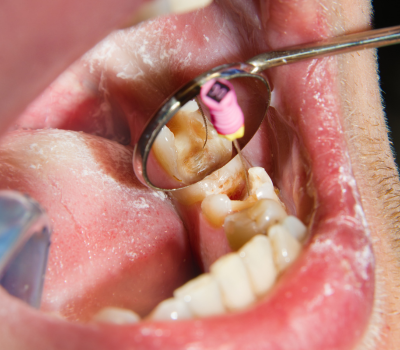
If you experience any of the following symptoms, it may be time to visit Gentle Dental Clinic for an evaluation:
Ignoring these signs can lead to more serious infections or abscesses, which may require tooth extraction.

Choosing a root canal over tooth extraction has several benefits:
With proper oral care, a root canal-treated tooth can last a lifetime!

After the procedure, you may experience mild soreness for a few days, which can be managed with over-the-counter pain relievers. To ensure a smooth recovery, follow these aftercare tips:
Most patients return to work or school the same day, with minimal discomfort.
If you’re experiencing tooth pain, swelling, or sensitivity, don’t wait! A root canal can save your tooth and restore your oral health.
Book Appointment NowGot questions? We have answers
No! With modern anesthesia and advanced technology, a root canal is as comfortable as a routine filling. Mild soreness after the procedure is normal but manageable.
The cost varies depending on the complexity of the case and the tooth affected (molars typically cost more). However, most dental insurance plans cover part of the procedure. In the long run, a root canal is more cost-effective than extracting and replacing a tooth.
With proper care and routine check-ups, a root canal-treated tooth can last a lifetime. A dental crown may be needed to ensure long-term strength and durability.
While rare, reinfection can occur if the tooth isn’t properly sealed or if decay forms around a filling or crown. Regular dental visits at Gentle Dental Clinic help ensure long-term success.